Article: The last moment of control
The last moment of control
Six months ago, I suffered a concussion. At the time, I assumed it would be uncomplicated. We didn’t go to the emergency room. The diagnosis from the general practitioner was brief and unsurprising, and I expected recovery to follow the same logic.
It didn’t.
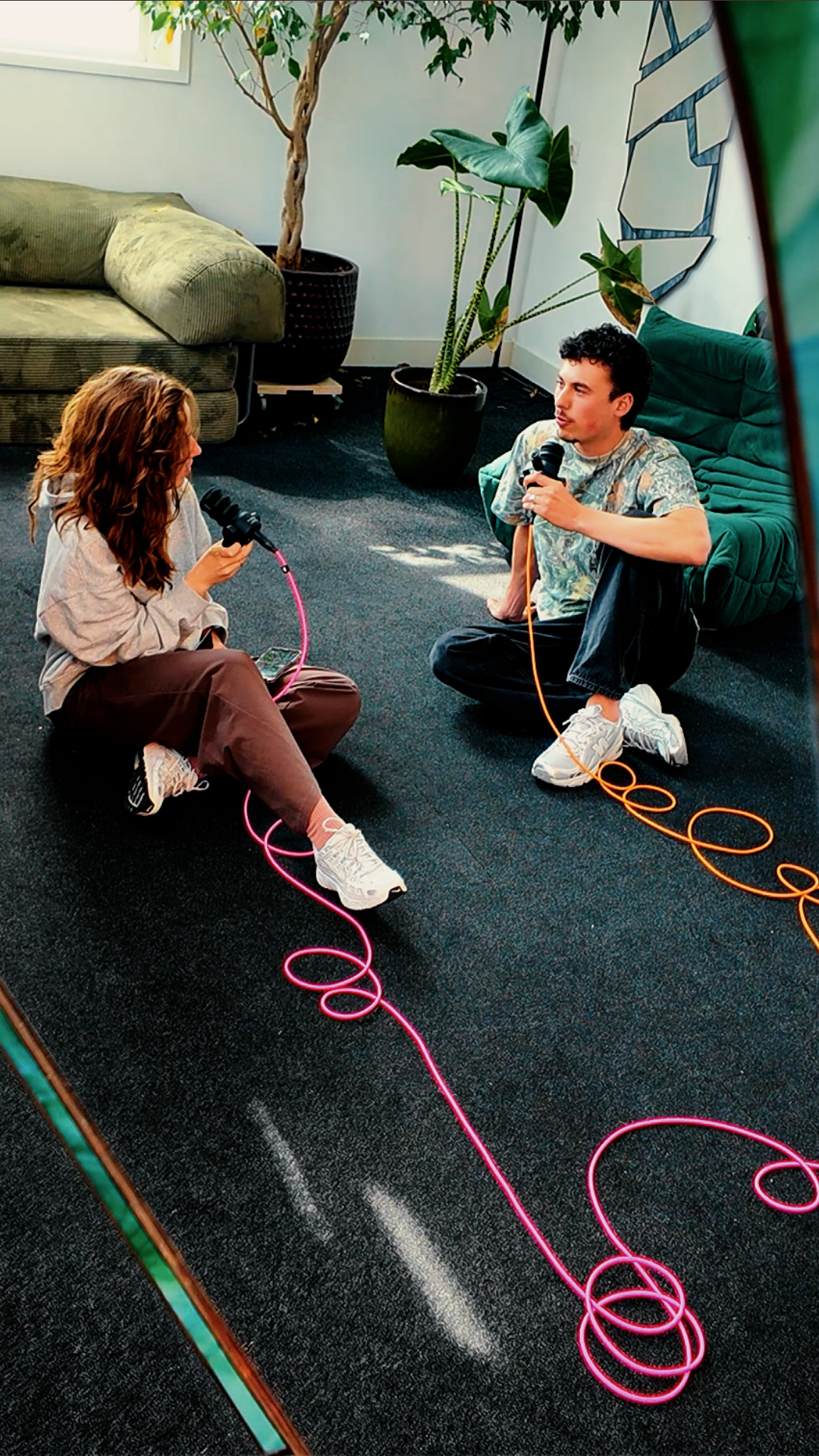
For a week, I was unable to do anything. Thinking itself was gone. Weirdly enough, I have never felt this much at peace. When it returned, it felt like somebody had turned on the radio at 90 dB. After that, when I wanted to have a conversation, I lost my words halfway through a sentence. Work became slower, more deliberate. I have never edited as extensively as I did in the final podcast series of Artist Talk Business 2025, each episode shaped with care simply to make something out of it.
I continued working with what was available. That instinct, to adapt rather than stop, is familiar to anyone who makes art for a living. But it’s also the rush that is almost “cultural” here in the Netherlands. I tried to go on and on, until the moment proceeding was no longer possible and I could no longer hold on to the mask I was wearing, pretending there was nothing wrong.
I was loud and on stages throughout my childhood. I function in stillness now. When I return to familiar patterns, the speed, the density, the constant responsiveness, I lose clarity within the hour. Not that much pain, exactly. Something quieter and more disorienting. A fog. A paralysis. A brief, sharp panic at the realization that control has slipped away.
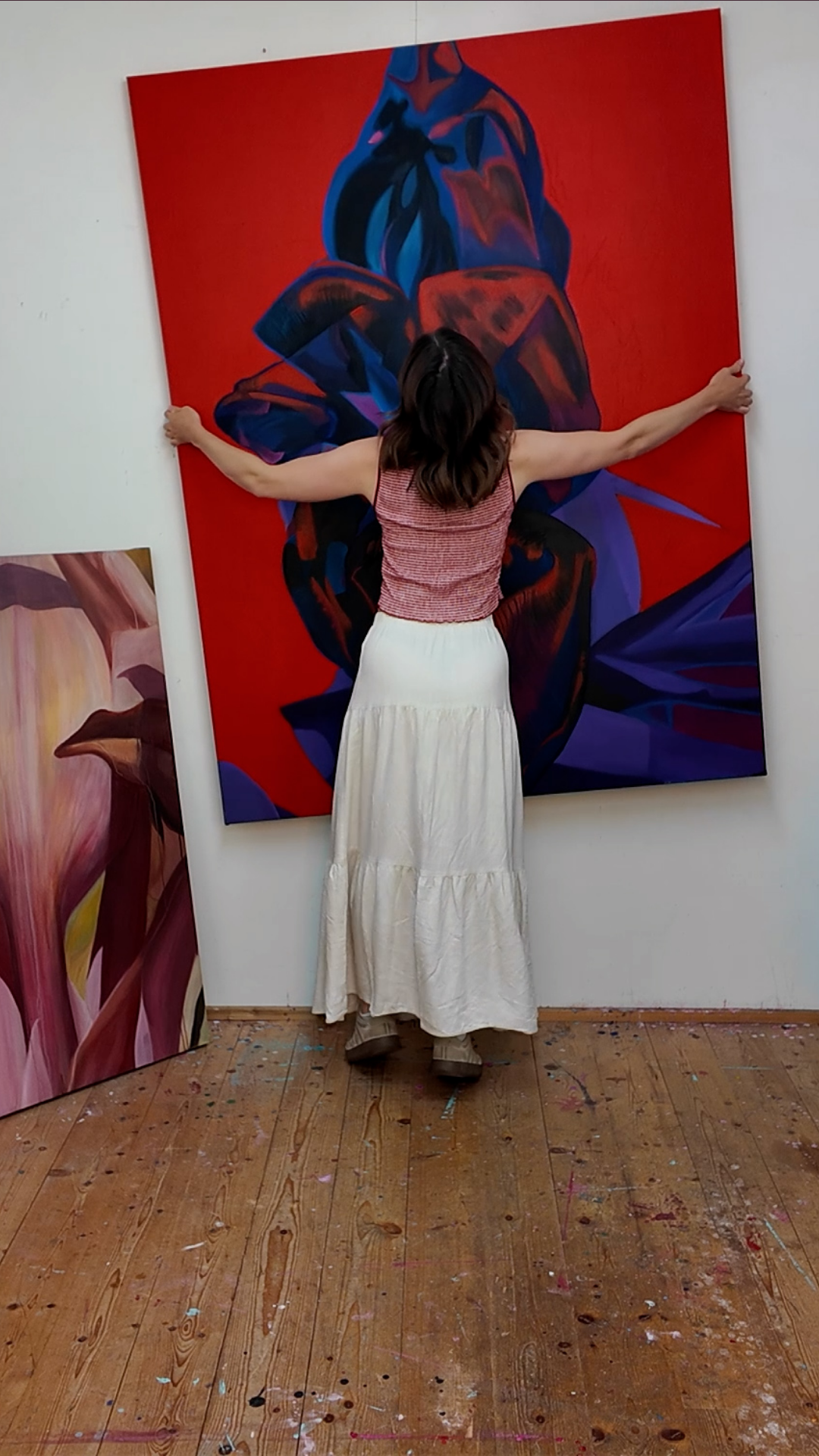
This experience has changed how I understand my work as an artist.
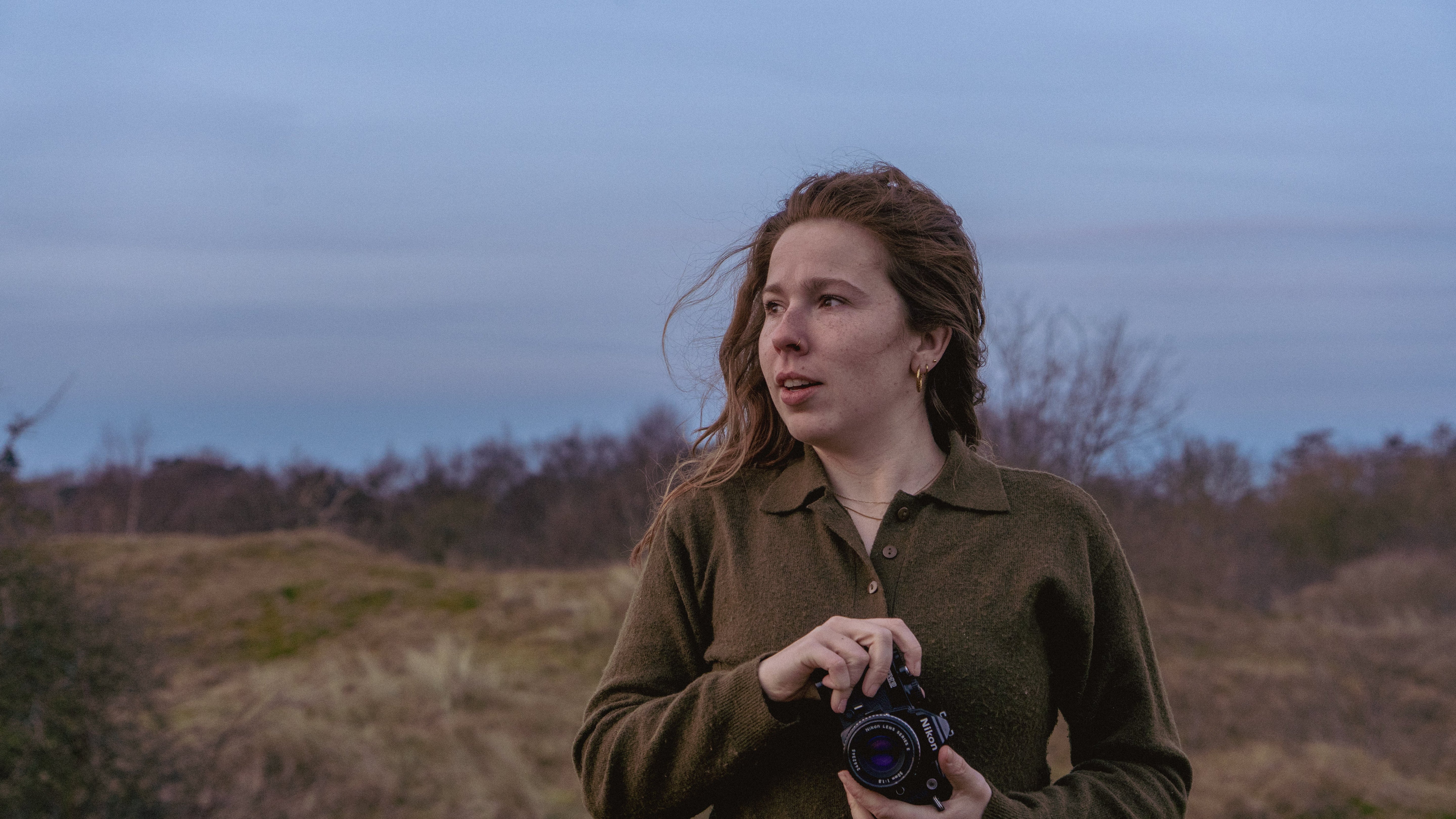
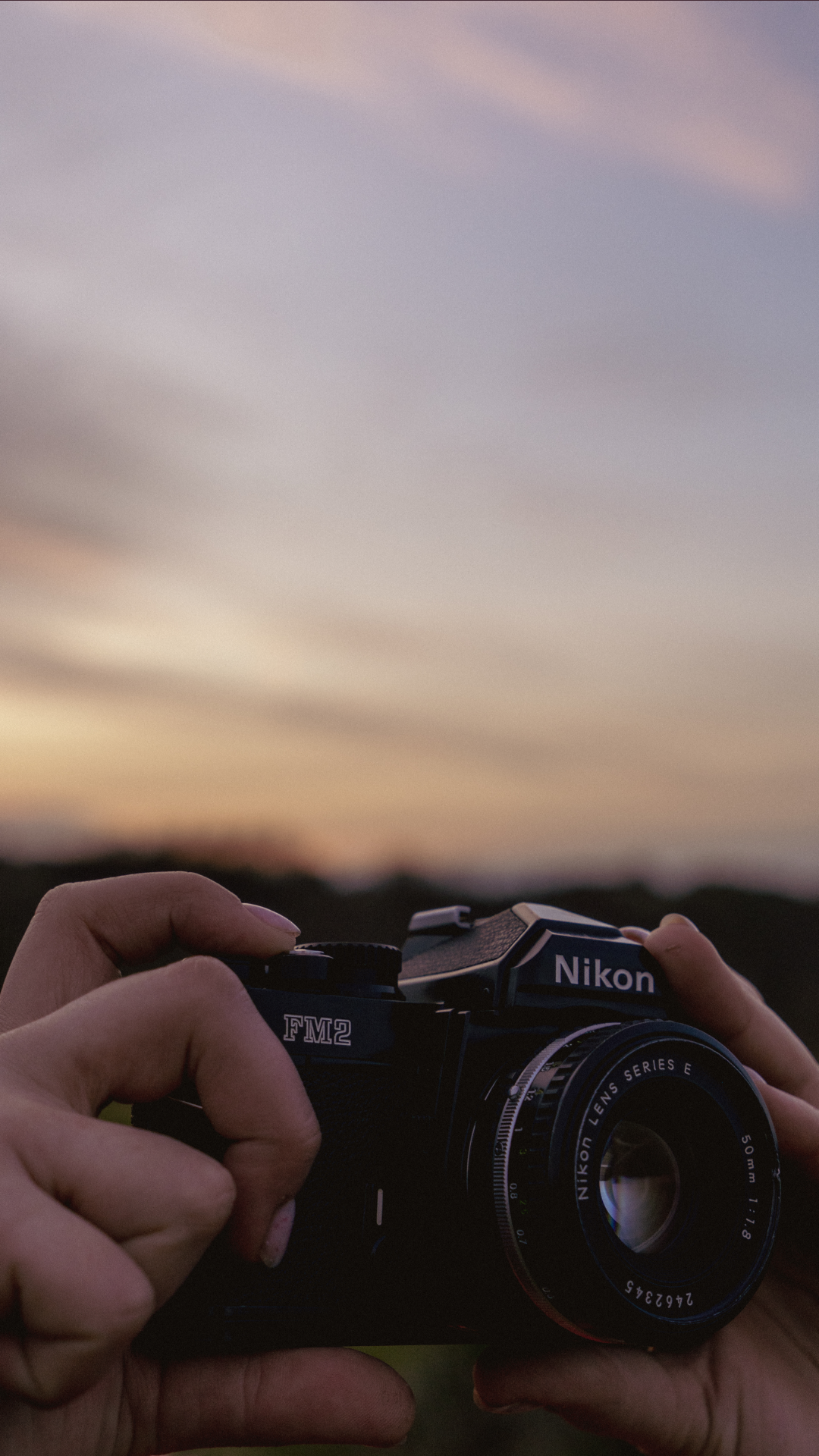
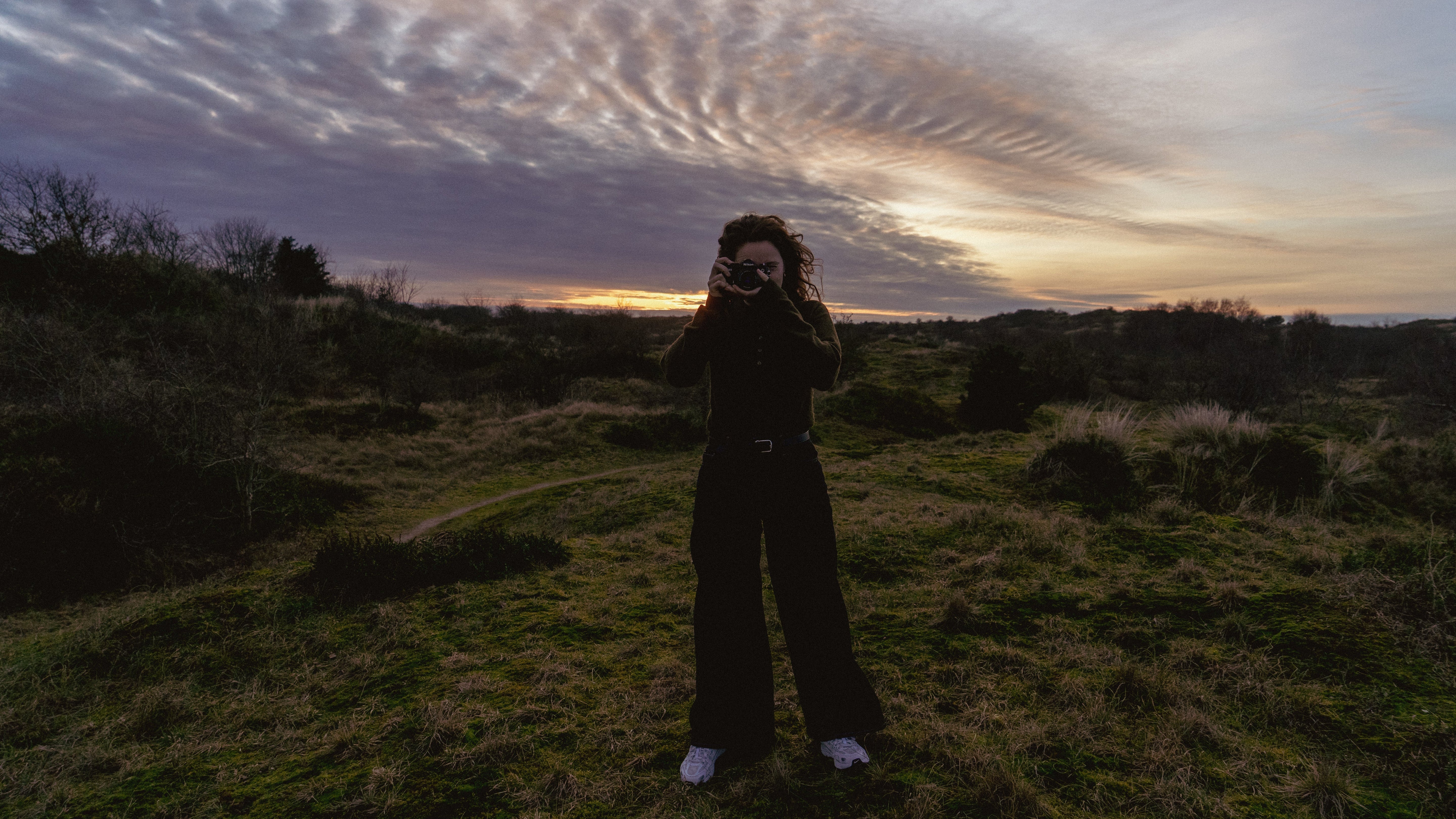
The transitional hours where light softens, shadows lengthen, and certainty dissolves. The last minutes before the sun disappears. The first before it fully arrives. In photography, these are the moments when control is at its peak and about to be lost. Exposure must be exact. Light shifts quickly. You have a short window in which control is possible, and after that, it isn’t.
Recovery has narrowed my working conditions, but it has also sharpened them. I am more selective with time, with energy, with environments. My work has become quieter and more intentional. Less about output, more about timing.
Sunrise and sunset are not only romantic to me. They are practical. They are about knowing when to act and when to stop. About recognizing the final moment in which adjustment is possible, and respecting what follows.
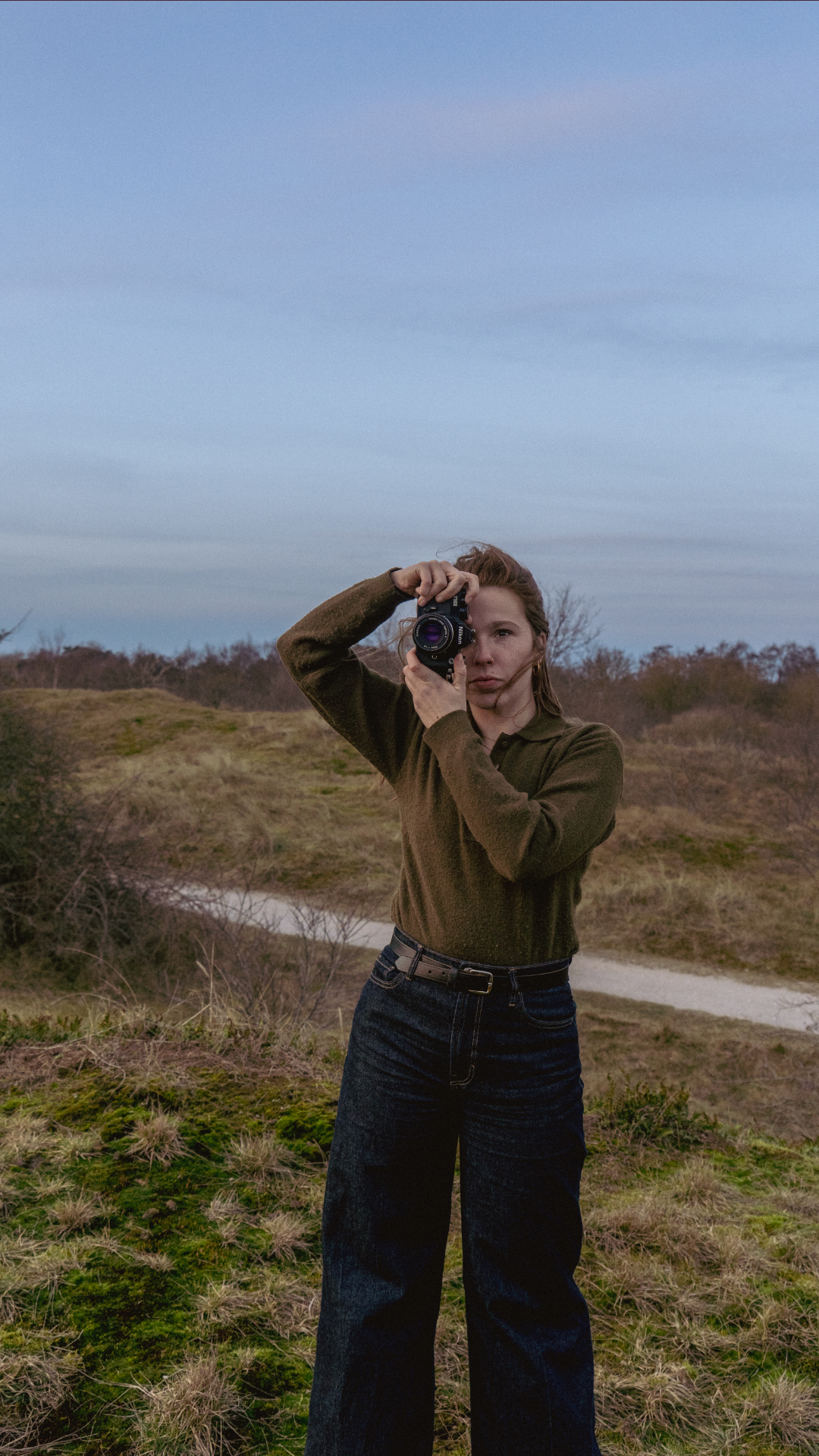
This is where my practice sits now: structured, attentive, and measured. Not driven by urgency, but by control where it still exists, and the discipline to let go when it doesn’t.

Written by Manon Beernink